🇮🇹🇩🇪🇫🇷🇪🇸🇵🇹🇳🇱🇵🇱🇸🇪🇩🇰🇫🇮🇨🇿🇷🇴🇭🇺🇬🇷🇧🇬🇭🇷🇸🇰🇸🇮🇪🇪🇱🇹🇱🇻🇮🇪🇲🇹🇸🇦🇨🇳🇯🇵🇰🇷🇮🇳🇹🇷🇻🇳🇮🇩
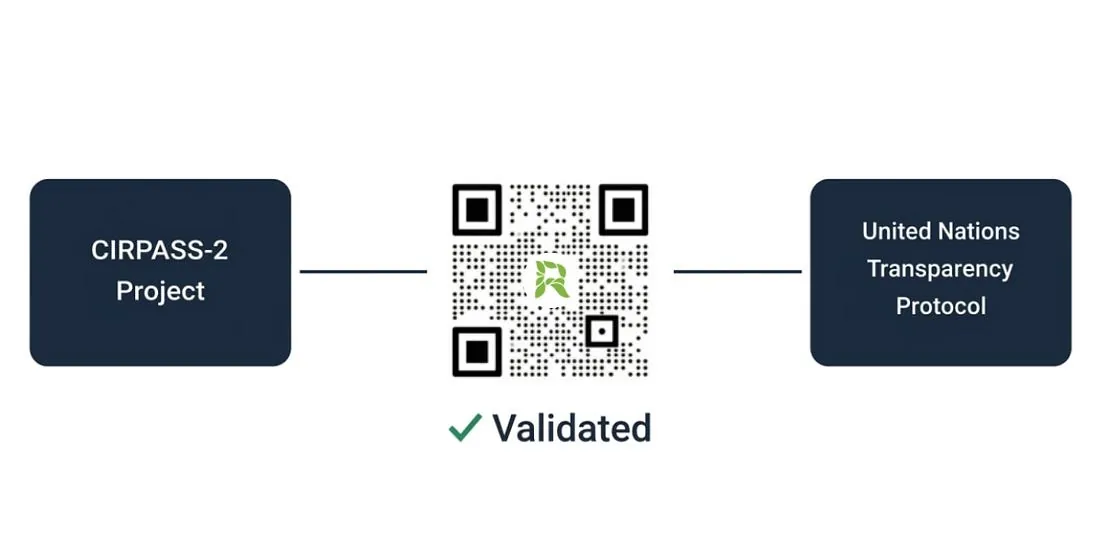
This week I ran Reeco’s textile Digital Product Passports through both reference toolchains of the European DPP ecosystem — the CIRPASS-2 project’s validator and mock EU registry, and the UN Transparency Protocol test suite. Not a slide. The real tools, with the output saved.
The verdict on the passports: they pass official UNTP 0.7.0 validation, they are valid Verifiable Credentials, and they carry an enveloping signature verifiable against a public did:web. They register in the mock EU registry with a cryptographic Proof of Registration.
But here is the part that matters for the whole ecosystem, not just for Reeco.
The official test suite could not yet validate this version of the protocol. A perfectly valid passport came back as a failure — not because the passport was wrong, but because the tooling had not caught up with the specification.
I did not write a post about it. I opened the issues, and I contributed the fixes upstream — leaving the existing path untouched and the baseline intact. The work is public; anyone who wants the detail can find it.
A conformance claim you cannot reproduce is a marketing claim. A conformance claim backed by a public contribution to the standard’s own tooling is something else.
I know which version I am running.
Stefano Cipriani is founder of Reeco®, Expert Member of CIRPASS-2 (EWG1, EWG3), JRC Registered Stakeholder